How Card Game Design Keeps Players Engaged
The tabletop and digital gaming worlds have experienced an incredible surge in popularity over recent years. Among the various genres available to modern consumers, card games have demonstrated an extraordinary ability to capture attention and maintain long-term player loyalty. From traditional standard decks used for centuries to modern customizable card games and digital deck-builders, the fundamental mechanics of card gaming remain universally compelling.
This enduring appeal is not accidental. It is the result of meticulous game design that taps directly into human psychology, behavioral reinforcement loops, and cognitive satisfaction. Designers craft systems where structural rules, math-based probabilities, visual aesthetics, and thematic choices interact to keep players deeply engaged. Understanding these underlying design principles reveals how a simple collection of printed cardboard or digital tokens can command hundreds of hours of focused attention.
The Core Loop and Cognitive Rewards
At the heart of every successful card game lies a well-defined gameplay loop. This loop refers to the repetitive cycle of actions a player takes during a match. A typical card game loop consists of drawing a card, assessing the current state of the board, evaluating choices based on the cards in hand, executing a move, and observing the opponent’s response.
The Mechanics of Imperfect Information
Card games thrive on hidden information. Unlike games like Chess, where both players can see every piece on the board, card games keep the majority of the active variables hidden in a player’s hand or face-down in a deck. This creates a state of continuous curiosity and anticipation.
Every time a player draws a card, their brain experiences a small surge of anticipation. The psychological mechanism driving this engagement is variable ratio reinforcement. Because the player does not know exactly what card they will receive next, but knows that a beneficial card is possible, the act of drawing becomes inherently rewarding. This unpredictability keeps the mind actively engaged, preventing boredom from setting in.
Meaningful Agency and Choice Architecture
Engagement drops rapidly if players feel their actions do not matter. Successful game design ensures that players maintain a high degree of agency, meaning their choices directly impact the outcome of the match.
Designers achieve this by structuring choices carefully. If a player has too few options, the game feels overly restrictive and automated. If a player has too many options, they experience choice paralysis, which leads to frustration. The ideal card game design offers a balanced selection of viable paths on any given turn, forcing the player to weigh short-term tactical advantages against long-term strategic goals.
The Balance of Accessibility and Complexity
A major challenge in game development is creating a product that appeals to beginners while retaining veteran players. Card game designers solve this problem by adhering to the concept of easy to learn, difficult to master.
Elegant Rulesets with Emergent Complexity
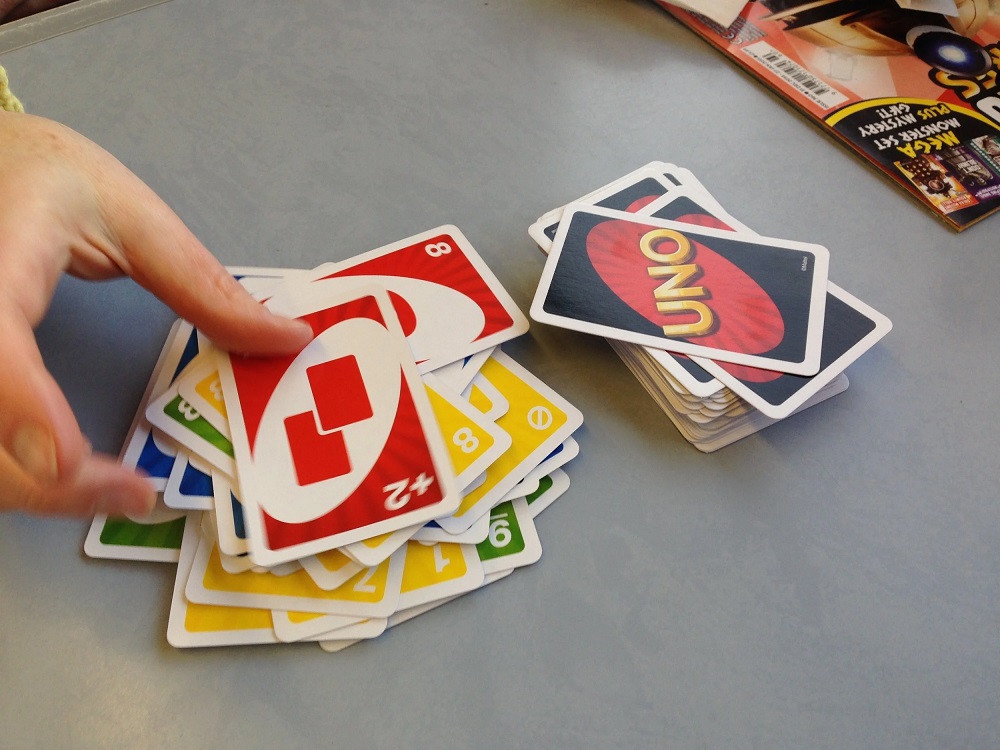
The best card games often feature incredibly simple base rules. A player might only need to understand a few core concepts, such as taking turns, matching colors, or comparing numerical values. However, complexity emerges through the interactions between individual cards.
-
Keywords: Mechanics are condensed into simple terms, such as Draw, Discard, or Counter, making cards easy to read.
-
Synergy Networks: Individual cards are designed to trigger unique effects when combined with other specific cards, encouraging players to discover hidden combos.
-
Rule Exceptions: The text on a card often overrides the baseline rules of the game, introducing controlled chaos that disrupts predictable play patterns.
This design methodology allows new players to enjoy the game immediately without feeling overwhelmed by an extensive rulebook. As they log more matches, they begin to notice deeper layers of strategy, shifting their focus from basic rules execution to high-level systemic optimization.
Managing the Learning Curve
To prevent early abandonment, designers carefully pace the introduction of complex elements. In digital card games, this is achieved through structured tutorial systems and progressive campaigns that gradually unlock advanced card sets. In physical card games, developers often release pre-constructed starter decks tailored for beginners, ensuring their initial matches are balanced and comprehensible.
Tactile and Visual Satisfaction
Human engagement relies heavily on sensory input. While the mathematical rules dictate the fairness of a game, the physical or digital presentation determines how it feels to play.
The Power of Physicality
For traditional tabletop card games, tactile feedback is a major driver of engagement. The texture of the card stock, the weight of the deck, the crisp sound of shuffling, and the physical act of snapping a card down onto a table all contribute to an enjoyable sensory experience. Premium production values, including foil stamps, textured card backs, and high-quality artwork, elevate the game from a mere system of rules into a collectible art piece.
Digital Dynamics and Special Effects
Digital card games translate these tactile sensations into virtual space using dynamic audio-visual design. Developers spend immense resources perfecting the feedback loops of digital actions:
-
Screen Shake: Impacts and heavy attacks trigger subtle camera shakes to emphasize power.
-
Audio Triggers: Unique sound effects accompany specific card types, signaling triumph or danger to the player.
-
Particle Effects: Spells and abilities activate colorful particle streams that zip across the digital board, making card interactions feel tangible and energetic.
-
Juice: This industry term refers to non-functional animations and visual flourishes that make a user interface feel highly responsive and alive, ensuring that even minor actions feel deeply satisfying to execute.
The Allure of Deck Construction and Personalization
Many of the most successful card game franchises extend player engagement far beyond the boundaries of active matches. Deck building serves as a standalone meta-game that keeps players invested during their downtime.
Expression of Identity
Building a custom deck allows a player to express their personal identity, playstyle, and creativity. One player might prefer a highly aggressive strategy that aims to win matches quickly, while another might enjoy a defensive, control-oriented setup that slowly deconstructs an opponent’s resources. By providing a vast library of cards with distinct attributes, designers allow players to treat their decks as an extension of their personality.
The Meta-Game and Continuous Innovation
The overarching strategic environment of a card game is known as the meta-game. As players discover the most efficient card combinations, certain deck configurations become dominant. To prevent the game from becoming stagnant, designers must actively manage this ecosystem.
Pacing, Tension, and Dramatic Arcs
A perfectly balanced card game functions like a well-written narrative, featuring a clear beginning, middle, and end. Designers structure the economy of a game to ensure that matches build toward a natural, dramatic climax.
Escalating Resource Systems
Most modern card games utilize a scaling resource mechanic, such as mana, energy, or gold, which increases incrementally with every passing turn. In the early game, players have limited resources, forcing them to play low-impact cards and establish their baseline positions. As the match progresses into the later turns, the abundance of resources unlocks the ability to play massive, game-changing cards. This scaling structure guarantees that the tension rises continuously throughout the match, keeping players on the edge of their seats until the final card falls.
Frequently Asked Questions
How do designers ensure that a card game does not become pay-to-win?
Designers combat pay-to-win dynamics by implementing strict rarity tier systems, clear crafting mechanics, and robust matchmaking algorithms. In high-quality card games, rarer cards are designed to be more complex or highly specialized rather than objectively more powerful than common cards, ensuring that strategic deck synergy and player skill remain the decisive factors for victory.
What is power creep and how do game developers prevent it?
Power creep occurs when developers continuously release newer, stronger cards to incentivize sales, eventually making older card collections obsolete. Game designers prevent this by establishing set rotation schedules that phase out older cards from competitive play, allowing them to introduce fresh mechanics without constantly elevating the baseline power levels of the game.
Why do some card games introduce random elements like coin flips or dice rolls?
Controlled randomness, often referred to as input variance, is introduced to test a player’s ability to adapt to unexpected situations on the fly. It prevents matches from unfolding identically, injects moments of high drama, and allows lower-skilled players to occasionally secure a win, which helps maintain casual player engagement.
How does the length of a match affect player engagement?
Match duration is critical for audience retention. Digital mobile card games generally aim for fast sessions lasting three to seven minutes to accommodate on-the-go playstyles, whereas complex physical card games might feature matches lasting thirty to sixty minutes to give ample time for intricate strategic planning and deep social interaction.
What role does flavor text and lore play in card game design?
Flavor text and lore have no functional impact on the rules, but they are vital for building emotional attachment. Providing contextual background stories, character descriptions, and narrative flavor transforms abstract mechanics into an immersive world, giving players a cohesive thematic reason to care about the cards they collect.
How do designers test card games for balance before public release?
Development teams utilize extensive internal playtesting groups, closed alpha networks, and algorithmic simulation models to test card balance. Designers run thousands of simulated matches using computer scripts to analyze win-loss percentages and identify unintended card interactions before the product ever reaches consumers.