How Slot Machine Math Models Shape Gameplay
The modern casino floor is a spectacle of sensory stimulation. Towering digital screens, flashing neon lights, cinematic animations, and rhythmic acoustic scores compete for the attention of passing players. Yet, behind this elaborate facade of visual and auditory entertainment lies a cold, invisible architecture that governs the entire player experience. That architecture is the math model.
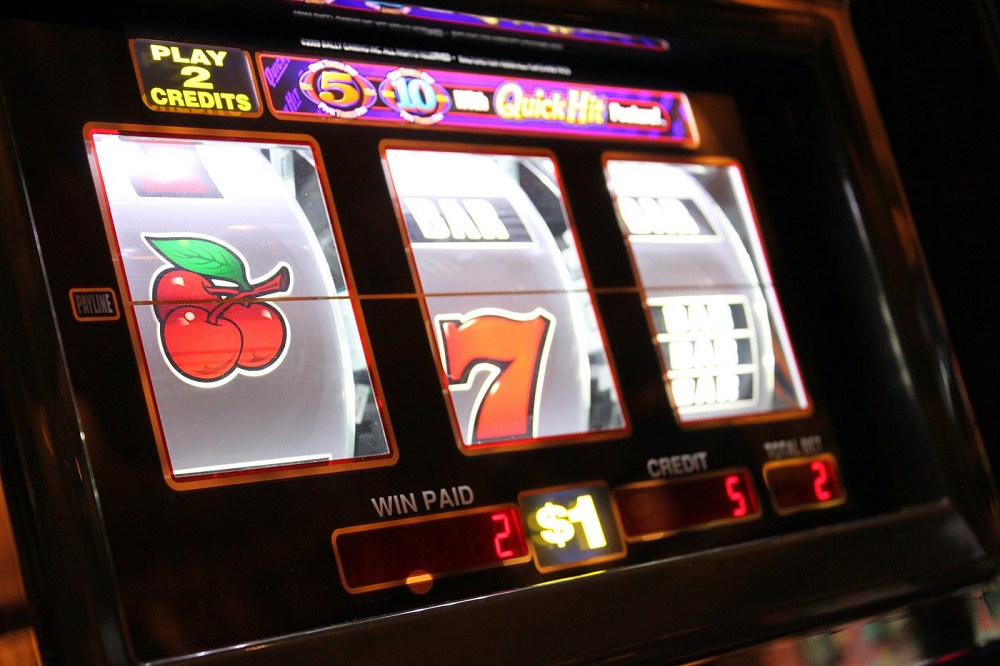
Every slot machine, whether a physical cabinet in a traditional resort or a virtual game running on a smartphone application, operates strictly according to a pre-programmed mathematical blueprint. This model dictates how often the reels stop, how large the payouts are, and how long a player can sustain their bankroll. In the gaming industry, the math model is the actual engine of the game; the graphics and themes are merely the wrapping. Understanding how these hidden calculations are structured reveals the complex relationship between corporate risk management, behavioral psychology, and player retention.
The Pillars of Slot Mathematics
To understand how slot games function, one must move past the concept of physical reels and look at the underlying data. Modern slot games are driven by a digital core known as a Random Number Generator (RNG). The RNG constantly produces complex numerical sequences at a rate of thousands per second. The exact millisecond a player presses the spin button, the system catches the current sequence, translating those numbers into the corresponding symbols displayed on the screen. The behavior of this system is structured around three foundational mathematical metrics.
Return to Player Percentage
The Return to Player (RTP) percentage represents the theoretical amount of money that a slot machine will pay back to players over a massive statistical sample size comprising millions of spins. For example, if a game features a ninety-four percent RTP, it means that over the long term, the machine is programmed to retain six cents of every dollar wagered, returning the other ninety-four cents to the collective player pool.
The remaining six percent is known as the house edge. It is important to note that the RTP is not a guarantee for an individual session. A single player can lose their entire deposit in twenty minutes, or hit a massive jackpot on their first spin. The RTP is a long-term macroeconomic metric that ensures the casino remains profitable while maintaining regulatory compliance.
Volatility and Variance
While the RTP establishes the long-term baseline, volatility, which is often referred to as variance, dictates the daily rhythm of the game. Volatility measures the risk profile of the slot machine and determines how the game distributes its payouts.
-
High Volatility: High-variance games are structured to deliver payouts infrequently, but when a winning combination occurs, the payout is typically substantial. These games are characterized by long dry spells where the player experiences consecutive losses, punctuated by massive bonus rounds or jackpots. These models appeal to risk-tolerant players chasing life-changing payouts.
-
Low Volatility: Low-variance games follow the opposite philosophy. They offer frequent, small-scale payouts. While players rarely hit massive jackpots on these machines, their bankrolls are steadily replenished by consistent minor wins, allowing for extended playing sessions with lower financial risk.
-
Medium Volatility: These models occupy a middle ground, offering a balanced mix of steady low-tier payouts along with the occasional opportunity to secure a significant mid-tier win.
Hit Frequency
Hit frequency is the exact percentage of spins that result in a winning combination of any size. A slot machine with a thirty percent hit frequency will statistically award a prize on roughly three out of every ten spins.
Crucially, hit frequency is completely separate from the RTP. A game can feature a high hit frequency but a low RTP if the majority of the wins pay out less than the value of the initial wager. This dynamic introduces a vital psychological tool used by game designers to alter player perception.
The Psychology of the Math Model
Slot machine math is not designed in a vacuum; it is explicitly engineered to interact with human brain chemistry. By tuning the metrics of RTP, volatility, and hit frequency, developers can evoke specific emotional responses that keep players engaged for hours.
Losses Masked as Wins
One of the most effective behavioral design strategies in modern slots is the implementation of a phenomenon known as a loss masked as a win (LMW). This occurs when a player wagers two dollars on a spin, the reels spin dynamically, a triumphant musical score plays, and the machine announces a win of fifty cents.
From a mathematical perspective, the player has lost one dollar and fifty cents. However, the game treats the outcome as a success. The audio-visual celebration triggers a dopamine response in the brain similar to the reward mechanism experienced during a genuine profit. By padding the gameplay loop with frequent LMWs, designers can keep a player highly engaged even as their overall bankroll steadily declines.
The Near-Miss Effect
A near-miss occurs when a high-value symbol or a critical bonus trigger lands just one position outside the active payline. For example, a player might see two identical jackpot symbols stop perfectly on the screen, while the third matching symbol rests just an inch above the line.
Mathematically, a near-miss is identical to a standard miss; the player receives zero payout. However, cognitive psychology studies demonstrate that the human brain processes a near-miss as a sign that they are getting closer to victory. This perception motivates the individual to continue spinning, operating under the false assumption that the machine is heating up and due for a payout.
How Math Models Customize the Target Audience
Slot game developers utilize distinct math models to segment their products, ensuring they appeal to different archetypes of casino consumers. The shape of the math model completely alters the physical behavior of the player at the cabinet.
The Time-On-Device Model
The primary objective of the time-on-device model is longevity. These games are explicitly tailored for casual players who view slot machines as a form of relaxing, low-stakes entertainment.
These machines ensure that a player can sit at a console for an hour with a minimal initial deposit, enjoying a long, interactive experience without facing sudden financial ruin.
The Gambler’s Math Model
Conversely, the gambler’s math model is designed for volatile high-stakes action. These machines target seasoned players who are indifferent to minor payouts and are focused exclusively on hitting massive jackpots.
These games feature high volatility and a low baseline hit frequency. A player can go twenty or thirty spins without receiving a single dollar back, causing rapid, aggressive depletion of their initial funds. However, a significant portion of the game’s overall RTP is locked away inside highly elusive bonus rounds, free spin sequences, or progressive jackpot tiers. When a player successfully unlocks these features, the resulting payouts are massive, providing the intense emotional highs that high-risk players crave.
Regulatory Oversight and Compliance Testing
Because math models operate invisibly, they represent a significant area of concern for gambling regulators. To ensure public safety and prevent fraud, every slot machine must pass strict certification standards before it can legally be deployed on a live casino floor.
Independent testing laboratories are tasked with auditing the source code of the game. Technicians run automated computer software scripts that simulate tens of millions of spins in a digital sandbox environment. These simulations map out the entire statistical distribution of the game, verifying that the actual real-world output matches the theoretical RTP and volatility metrics claimed by the developer. Furthermore, these audits ensure that the random number generators operate with true statistical independence, meaning that past winning streaks have zero impact on the mathematical probability of subsequent spins.
Frequently Asked Questions
Can a casino operator adjust the RTP of a slot machine instantly from a back-room computer?
Modern server-based gaming infrastructure allows casinos to change the RTP settings of digital machines remotely, but the process is governed by strict regulatory boundaries. Operators cannot change a machine’s math model mid-game while a player is actively wagering, and any adjustment typically requires a complete lock-down of the cabinet along with detailed logging submitted to state regulatory boards.
Does playing a slot machine at a specific time of day alter its hit frequency?
No, the time of day, day of the week, or holiday calendar has absolutely zero impact on the mechanical functionality of a slot machine. The random number generator operates continuously based on mathematical algorithms, meaning the statistical probability of a win is identical whether you spin the reels at noon on a Tuesday or midnight on New Year’s Eve.
Why do some slot machines feature multiple betting levels and coin denominations?
Offering multiple denominations allows a single slot cabinet to adjust its volatility dynamic to accommodate different player budgets. By scaling the wager sizing upward, a player alters the financial risk per spin, allowing the machine to transition from a low-stakes time-on-device experience into a high-volatility betting engine.
What is the mechanical difference between a progressive jackpot and a fixed jackpot?
A fixed jackpot pays out a static numerical multiplier based on the player’s wager size, with the math model allocating a steady portion of the base RTP to that specific combination. A progressive jackpot links multiple machines together, skimming a small percentage from every single wager placed across the network to grow a collective prize pool that expands continuously until a player triggers the winning combination.
How do buy-a-bonus features alter the underlying volatility of a slot game?
Buy-a-bonus mechanics allow players to skip the standard baseline game by paying a steep upfront premium to trigger the main bonus round instantly. This option bypasses the low-risk base game completely, concentrating the entire session’s financial variance into a single, high-stakes event, which elevates the overall volatility of the game session.
Does the speed at which I press the spin button impact my chances of winning?
The speed of your play does not alter the mathematical odds of the game, but it does impact your overall financial exposure over time. Pressing the button rapidly increases the total volume of spins executed per hour, which accelerates the long-term mathematical house edge and can cause your bankroll to deplete much faster than playing at a measured pace.